"It didn't cure me, but it gave me the opportunity to get the rest I required to recover, and I had the ability to work at a alternative to marijuana much higher level than with the pain relievers, that made me get up foggy every day," he stated. "With cannabis, I can consume it at night and awaken with a clear head."Cannabis is an especially efficient treatment for individuals who need assist with discomfort management, as well as those with sleep disorders or stress and anxiety; nevertheless, "there are numerous conditions that it deals with," Rinella said.
Medical choices need to not be made based on advertising. Consult a physician on the advantages and dangers of specific medical cannabis products.
The results of an online survey, making up 95 participants, featured in the Journal of Alternative and Complementary Medication in 2014. The scientists discovered that individuals chosen indica stress for pain management, sedation, and sleep while they would select sativa strains to improve energy and state of mind. Regarding discomfort management, individuals reported a statistically considerable effect when using indica for: It is, nevertheless, essential to keep in mind that this research study had a number of constraints.
Respondents did not utilize the cannabis in a controlled setting, potentially resulting in differences in drug structure, dosage, and strength. Another study taken a look at using naturally grown sativa and indica stress in the treatment of several medical conditions. Just over half of the individuals were using cannabis to deal with HIV.
The outcomes showed that indica strains are more most likely to enhance energy and hunger, while both sativa and indica stress The original source can minimize queasiness to a similar degree. Marijuana includes compounds that may relieve discomfort, queasiness, and other symptoms. The components of marijuana that the majority of studies focus on for discomfort relief are cannabidiol (CBD) and tetrahydrocannabinol (THC).
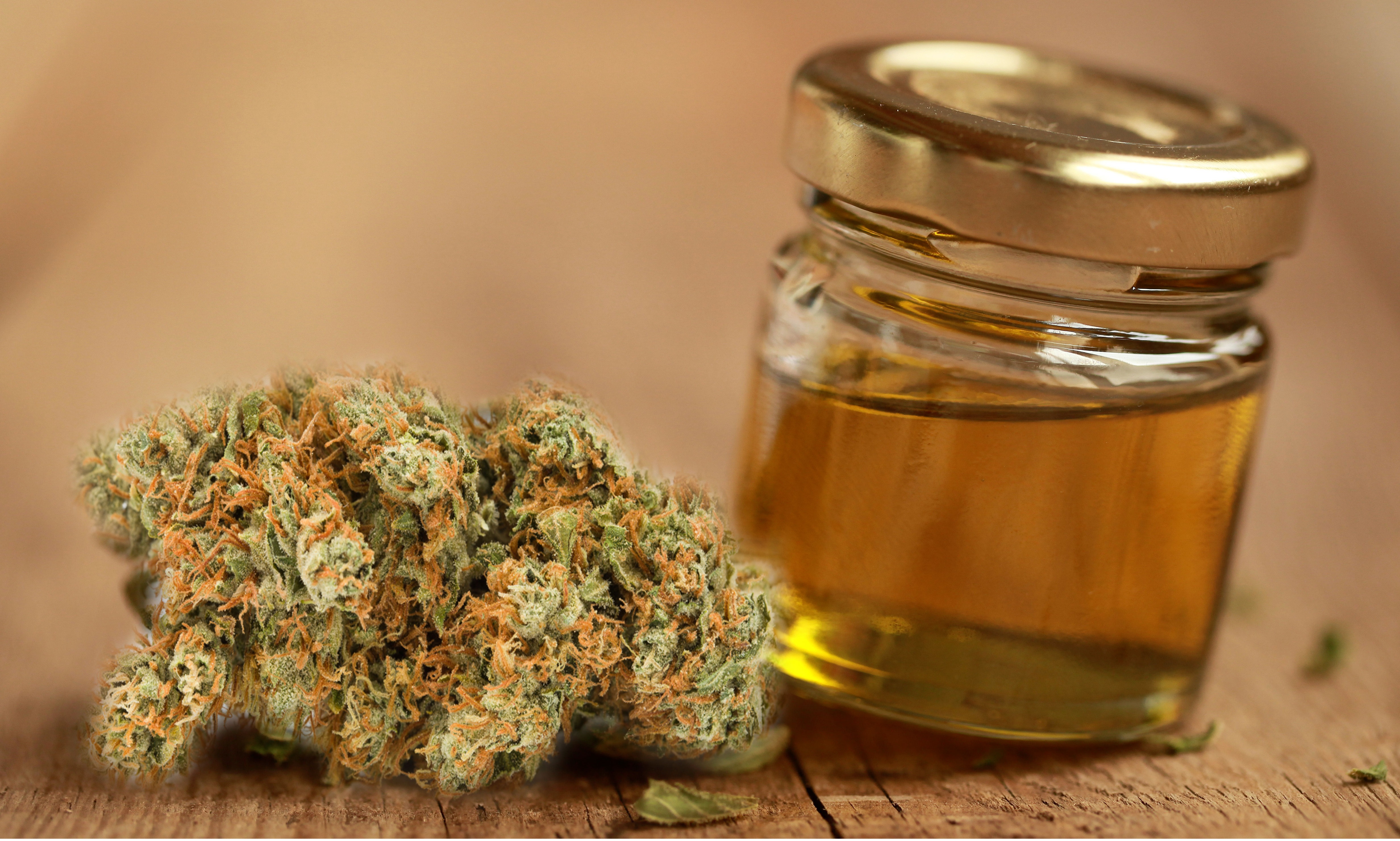
CBDTHC resembles the cannabinoid chemicals that happen naturally in the body. When people ingest or breathe in THC, it the brain's cannabinoid receptors. This activates the brain's benefit system and decreases pain levels. THC is a psychedelic compound as it binds to cannabinoid receptors and produces a raised frame of mind, referred to as a high.